
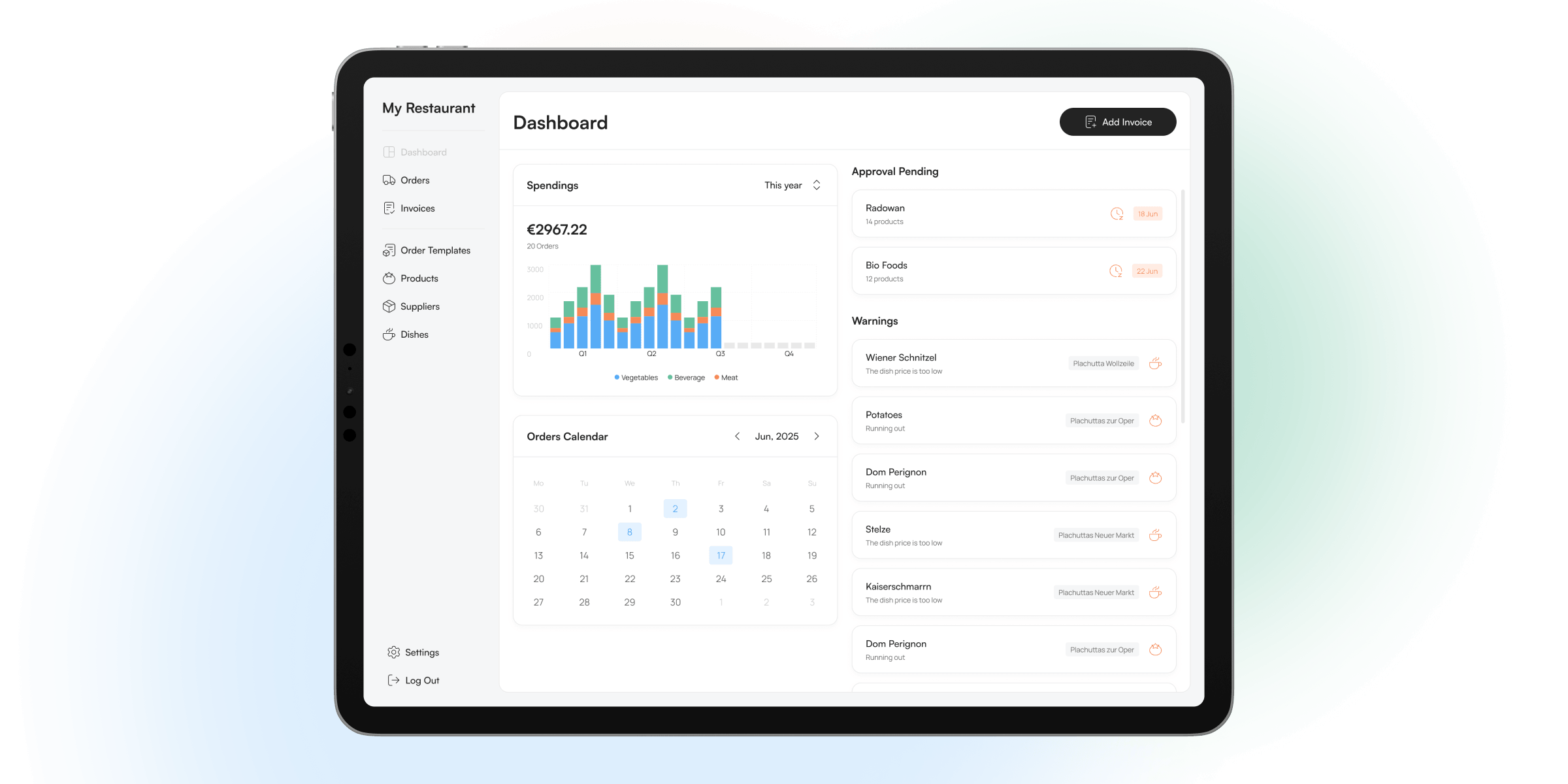
Spensa is an AI-powered restaurant management platform. Modern restaurants use Spensa to stay in control of everything: food ordering, daily operations, recipes, and cost calculation.
• Research, prototyping, testing
• Branding
• Mobile app design
• Desktop app design
• Design system development
• Landing page assets
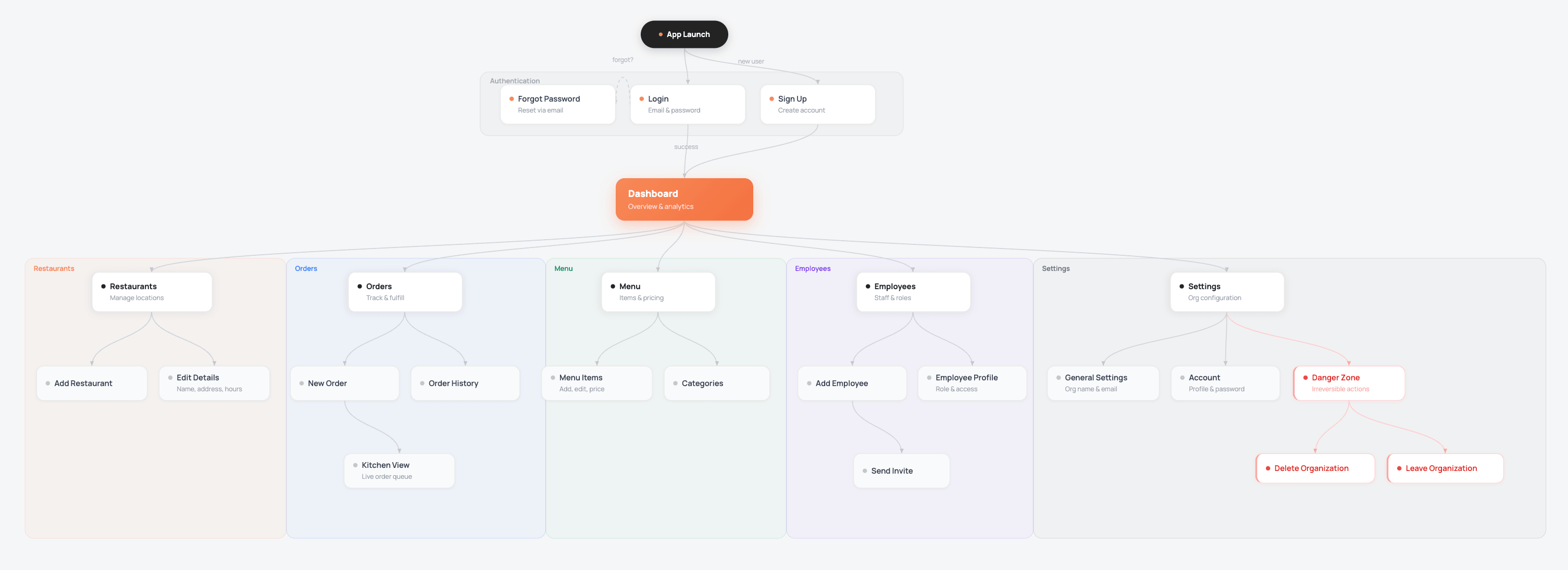
The industry loses roughly $162 billion a year to food waste. The goal was to create a modern restaurant management platform that has minimal look and feel, and has less than 3 clicks/taps to complete each of the major tasks. Managers spend 30-35% of their time on administrative tasks, roughly 18-21 hours a week on paperwork and data entry. This time must be reduced with Spensa.
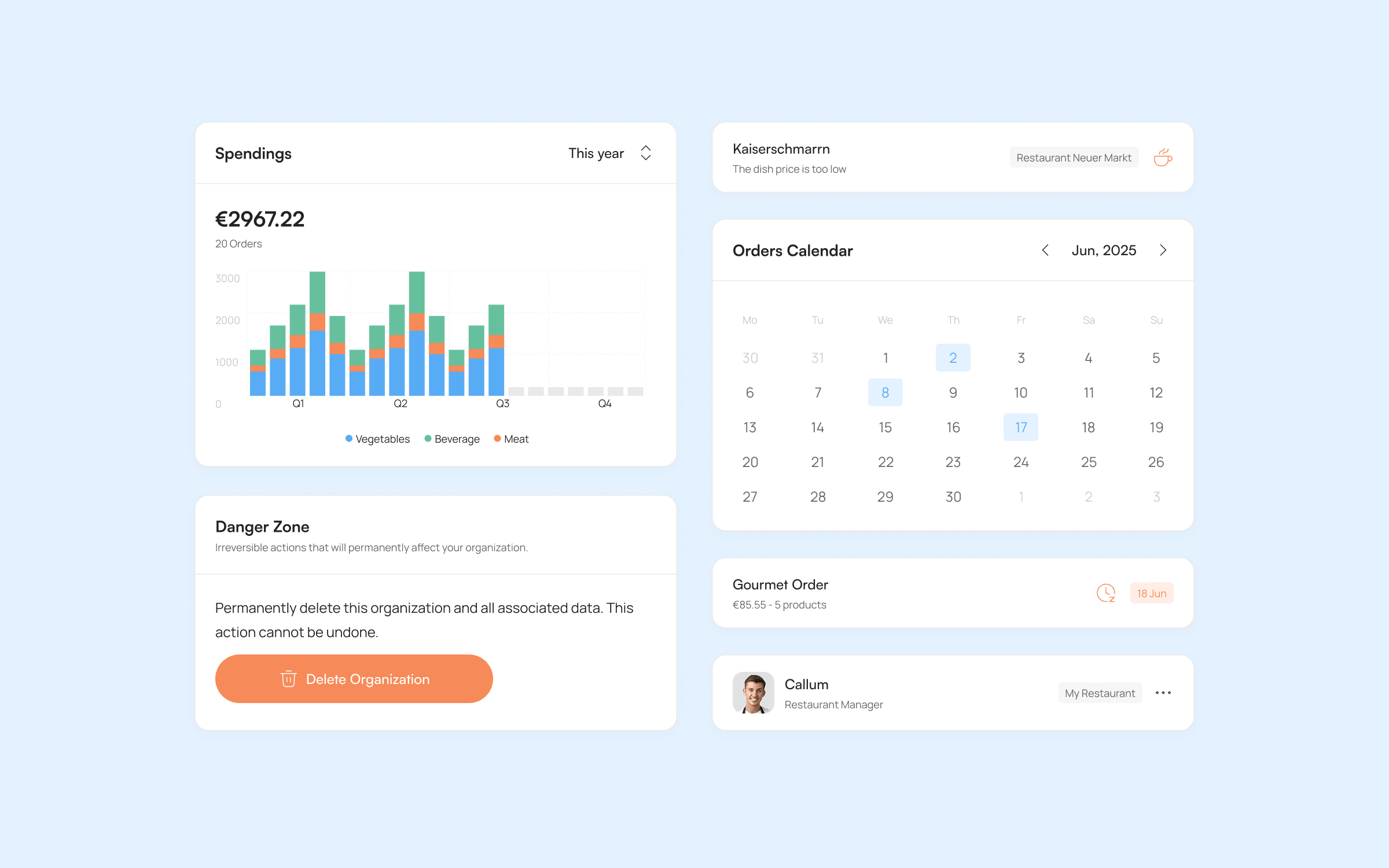
Spensa branding was highly inspired by the minimal-looking platforms like Linear and Notion. It should translate the vision of simple restaurant management tool. With Spensa restaurant owners should be able to see where the money goes and let AI surface what matters. Spending trends, supplier comparisons, category breakdowns - everything is built from the invoices, and analyzed in seconds.
The process included close collaboration with co-founders. We went through several iterations of testing and refining before launching the MVP with a couple of restaurants in Vienna, Austria. That beta-test went well, and the platform was offered to more restaurants in the area. Scaling Spensa is the next step. The idea is that the app becomes a go-to ordering platform for restaurants, cafés, and food service teams.
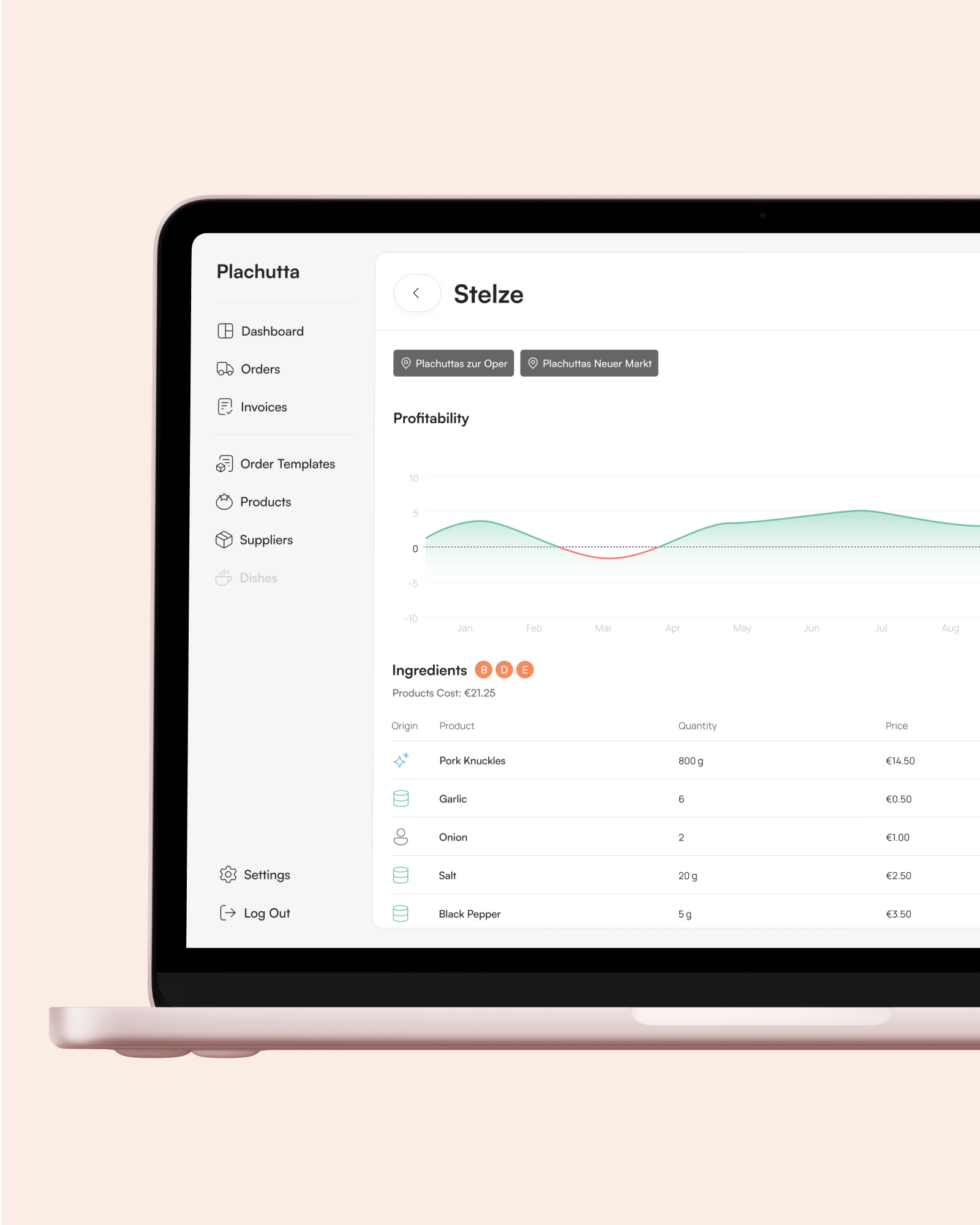
Food cost typically runs 28-35% of revenue; combined with labor and overhead, total costs hit 70-75% of revenue.
Wholesale food prices are now ~37% higher than before the pandemic, leaving almost no room for error.
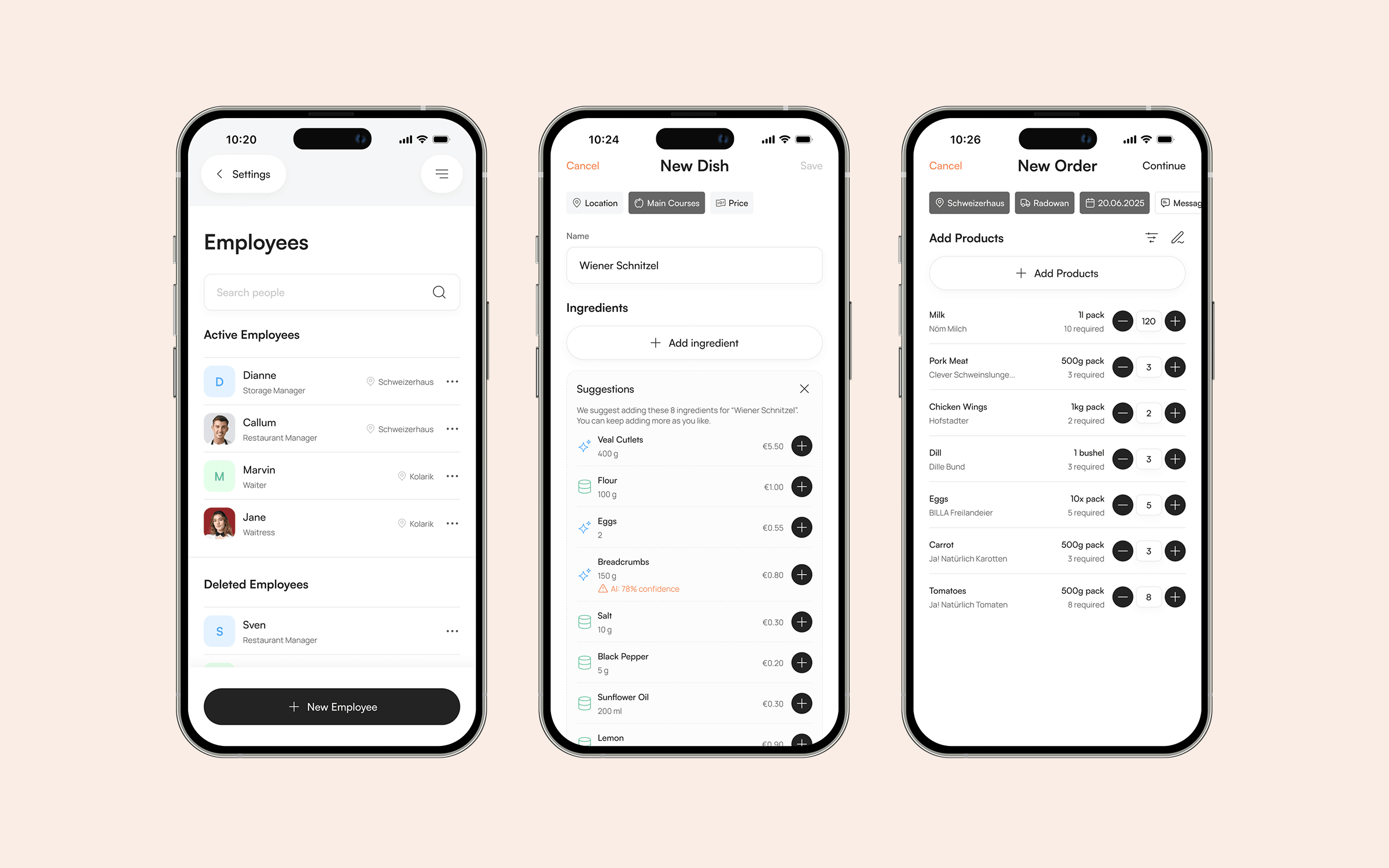
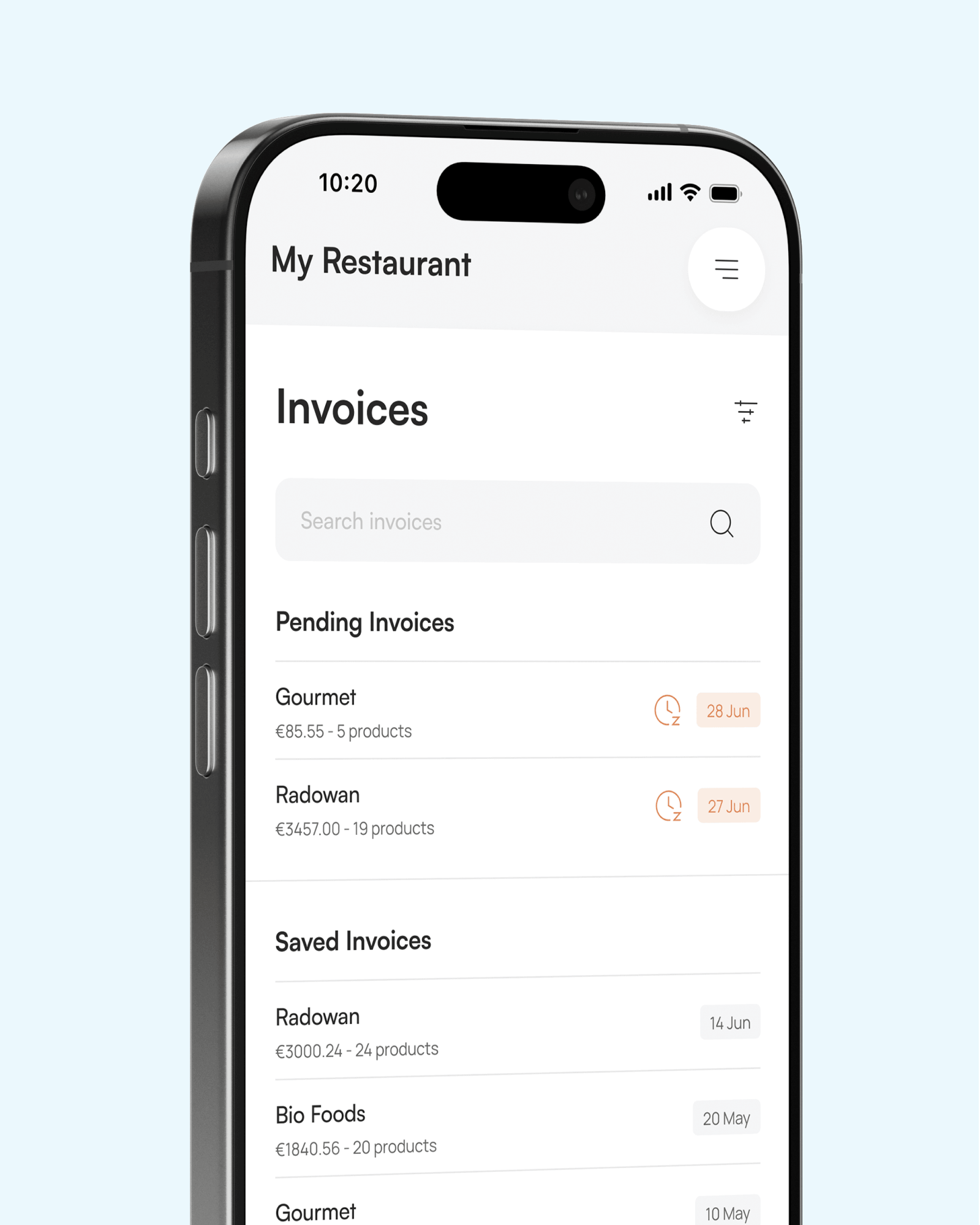
Spensa launched to its first restaurants with no formal onboarding, which was the whole point. Owners and line staff were adding receipts and sending real orders the day they signed up. That proved out the central design bet, that the tool had to feel closer to sending a text than to running enterprise software.
It works offline, so orders placed in the walk-in or cellar save on the phone and sync later. And since dishes are costed from actual invoice prices, the team sees a margin slip the moment a supplier's price goes up – not at month-end.
• Predictive ordering
• Multi-location rollups
• Supplier-side features
• Smarter price intelligence
If you want to discuss an interesting project or you just want to say “Hi”, don't hesitate to use the contact form.


